
1. Introduction
Modern robot vacuums have evolved from basic sweeping devices into fully automatic all-in-one cleaning systems that integrate vacuuming, mopping, self-washing, self-drying, and auto dust collection. With rapidly upgraded navigation sensors, mopping mechanisms, and smart automation, today’s robot vacuums can handle hard floors, low-to-high pile carpets, pet hair, daily dust, and stubborn kitchen stains with minimal human intervention. However, varying configurations across entry-level, mid-range, and premium models often confuse buyers. This guide outlines every essential buying factor, eliminates common marketing traps, and matches users with the most suitable robot vacuum based on home environment, budget, and cleaning demands.
2. Core Performance Factors to Consider 🧹
2.1 Suction Power & Cleaning Mechanism
Suction power is one of the most advertised parameters, yet raw Pa value does not equal better cleaning results. Airflow design, brushroll structure, and floor adaptation determine actual cleaning efficiency. Entry-level models with 3000–5000Pa suction work well for daily dust and fine debris on hard floors. Mid-range 6000–7000Pa units balance daily cleaning and basic carpet dust extraction. Premium 8000Pa+ high-suction models target embedded sand, pet dander, and deep carpet dirt.
Anti-tangle brushroll design is critical for pet households. Floating rubber brushrolls and zero-tangle comb structures effectively prevent long hair wrapping, which is far more practical than simple high-suction marketing. Dual side brushes deliver superior edge and baseboard cleaning compared to single side brush designs, reducing residual corner dust.
2.2 Mopping Technology & Stain Removal
Basic cold-water mopping only handles light daily dust and faint stains. For family kitchens and high-traffic areas with dried sauce, oil residues, and muddy footprints, advanced mopping systems are necessary. Modern premium models adopt rotary pressure mopping or sonic vibration scrubbing to simulate manual floor wiping.
Hot water mopping (50–55°C) is a game-changing upgrade that dissolves grease and stubborn dried stains efficiently, avoiding repeated cleaning passes. Auto detergent dispensing further improves cleaning consistency without manual solution addition. Mop lift function is essential for mixed-floor homes: 10mm lift suits low-medium carpets, while 15mm high lift prevents wet contamination on thick high-pile rugs.
2.3 Navigation & Obstacle Avoidance
Navigation system reliability directly determines cleaning efficiency and anti-collision performance. LDS LiDAR navigation is the industry baseline for stable, high-precision mapping, supporting multi-floor memory and fast environment adaptation. Visual-only navigation is cheaper but prone to mapping drift and misrecognition under dim lighting.
Advanced 3D structured light and AIVI intelligent recognition can classify household obstacles such as cables, slippers, pet bowls, and fragile decor, enabling precise route adjustment and collision avoidance. High-end models support 4–5 multi-floor maps, perfectly adapting to multi-story villas and townhouses.
3. Base Station Self-Maintenance Functions 🔧
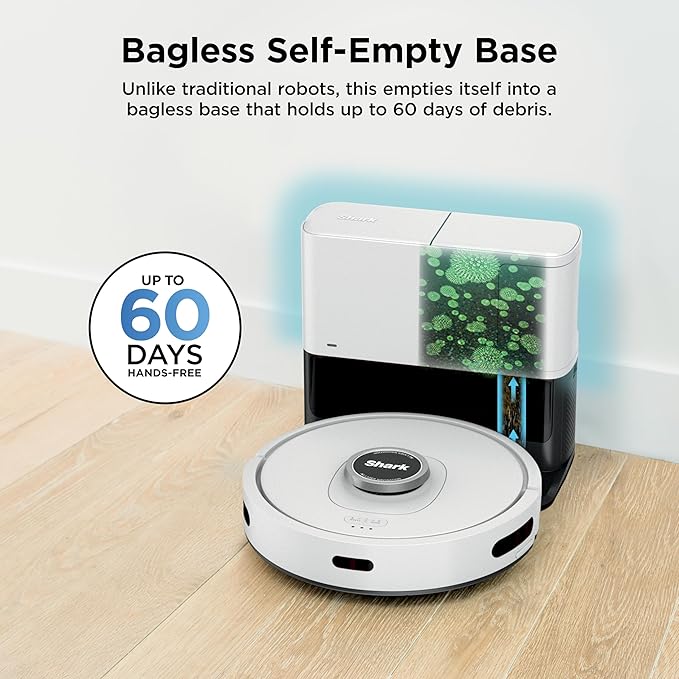
The all-in-one base station defines long-term user experience by reducing manual maintenance frequency. Core practical dock functions include auto mop washing, auto hot-air drying, auto dust emptying, auto water refilling, and auto detergent dispensing.
Auto dust emptying collects debris into sealed dust bags, supporting 30–60 days of hands-free cleaning, ideal for busy users and pet owners. Hot-air drying prevents mop pad mildew, odor, and bacterial growth after mopping. Hot water washing and automatic detergent dosing greatly reduce manual operation and improve stain removal capability. Entry-level docks only support basic mop washing, while premium omnistations integrate full-function automation for zero-daily-maintenance cleaning.
4. Battery Life & Home Coverage ⚡
Battery capacity and continuous cleaning time determine maximum single-clean coverage. Most modern robot vacuums offer 150–260 minutes of runtime. Small apartments under 1000 sqft only require 150+ minutes, while large multi-story homes over 2000 sqft need 220+ minutes of uninterrupted cleaning to avoid repeated recharging interruptions. Intelligent power saving modes automatically adjust suction and mopping intensity to extend runtime during low-demand cleaning.
5. Smart Home Compatibility & App Features 🏠
Mainstream robot vacuums support Alexa, Google Assistant, and Siri voice control via Matter protocol. High-end models feature native onboard voice assistants for direct device interaction without external speakers. Mature app functions include customizable zone cleaning, no-go zone setting, scheduled cleaning, multi-floor map management, and cleaning record statistics. Intelligent room recognition allows targeted single-room cleaning to save power and time.
6. Buyer Selection by Household Scenario 🎯
6.1 Small Apartment & Hard Floor Only Homes
Prioritize compact body design, quiet operation, and basic auto-clean functions. Standard suction power, cold-water mopping, and simple self-washing docks fully meet daily cleaning needs. No need to overpay for hot water washing or ultra-high suction features.
6.2 Families with Pets & Kids
Focus on anti-tangle brushrolls, strong carpet suction, efficient pet hair removal, and auto-empty docks to avoid frequent manual dust cleaning. Hot water mopping is recommended to clean food residues and muddy stains generated by kids and pets. Accurate obstacle avoidance prevents collisions with toys and pet supplies.
6.3 Multi-Story & Large-Size Homes
Choose models with 4+ multi-floor map storage, long battery runtime, and stable LiDAR navigation. Dual side brushes and high-lift mop structures ensure comprehensive cleaning across mixed carpet and hard floor areas. Full-function omnistations minimize repetitive maintenance for large-area cleaning tasks.
6.4 Luxury & High-Demand Households
Opt for premium models with hot water mopping, auto detergent dispensing, advanced 3D obstacle avoidance, and intelligent eco-cleaning algorithms. These features deliver salon-level floor cleaning quality with maximum hands-free automation.
7. Budget Tier Classification & Value Judgment 💰
7.1 Entry-Level ($300–$600)
iRobot Roomba 105X Robot Vacuum & Mop Combo $379.99
Basic vacuum and cold-water mopping, manual water refilling, no auto dust emptying. Suitable for users with simple cleaning needs and low maintenance frequency. Good for apartment dwellers and casual daily cleaning.
7.2 Mid-Range ($600–$900)
DREAME L60 Ultra FE Robot Vacuum and Mop $799.99
Core all-in-one functions including auto mop washing, hot-air drying, and auto dust collection. Balanced suction power and reliable LiDAR navigation offer the best cost performance for most families, covering 90% of daily household cleaning scenarios.
7.3 Premium Flagship ($900+)
Roborock Saros 10R Robot Vacuum and Mop $1,099.99
Equipped with hot water mopping, auto detergent dispensing, ultra-high suction, 15mm mop lift, multi-floor mapping, and top-tier obstacle avoidance. Designed for large multi-story homes, pet-intensive families, and users pursuing full-scene automated cleaning.
8. Common Buying Pitfalls to Avoid ❌
- Blindly chasing high suction values: Suction beyond actual demand brings louder noise without obvious cleaning improvement; brushroll and airflow design matter more than pure Pa parameters.
- Ignoring obstacle avoidance capability: High suction with poor recognition leads to frequent jams, cable tangling, and device stuck issues.
- Overlooking mop lift height: Insufficient lift causes wet carpet contamination in mixed-floor homes.
- Neglecting long-term maintenance costs: Choose models with universal, low-cost replaceable accessories to avoid expensive later upkeep.
- Underestimating dock functionality: Basic docks require frequent manual cleaning, defeating the purpose of smart automation.
9. Final Buying Summary
The best robot vacuum depends on matching core features to personal home conditions rather than pursuing full configurations blindly. Most ordinary families get the optimal value from mid-range all-in-one models with complete self-maintenance docks. Pet owners, large-home users, and stain-prone kitchen environments are worth upgrading to premium hot-water mopping flagship models. For small-space and budget users, entry-level devices with stable navigation and basic automation fully satisfy daily cleaning demands.